


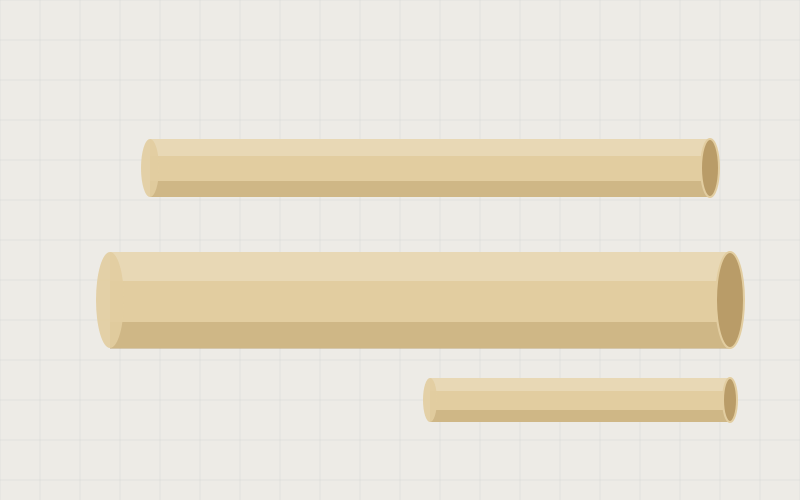
Nylon PA6 / PA66
High mechanical strength and wear resistance — the default choice for gears, bushes and wear parts.
Sheets · Rods
View material
Engineering plastics

Dimensional stability and clean machinability for precision components.
Polyoxymethylene is the material machinists ask for by name. It cuts cleanly, holds tolerance, resists creep under sustained load and — unlike nylon — barely takes up moisture, so a part measured on Monday is the same part on Friday.
Homopolymer (POM-H) gives higher stiffness and strength; copolymer (POM-C) handles hot water and alkaline environments better. Which one you want depends on the service condition rather than the drawing.
| Material | Polyoxymethylene (POM / acetal) |
|---|---|
| Forms | Sheets · Rods |
| Grades | POM-H (homopolymer) · POM-C (copolymer) |
| Colour | Natural · Black |
| Sheet thickness | Typically 3–100 mm |
| Rod diameter | Typically 5–200 mm |
| Key property | Excellent dimensional stability and machinability |
| Documentation | COA / MSDS on request |
Dimensional ranges indicate what is typically available. Confirm grade, size and documentation at enquiry.
Typical applications
Industries served
Related materials
High mechanical strength and wear resistance — the default choice for gears, bushes and wear parts.

Chemical-resistant, low-friction engineering material for demanding process environments.
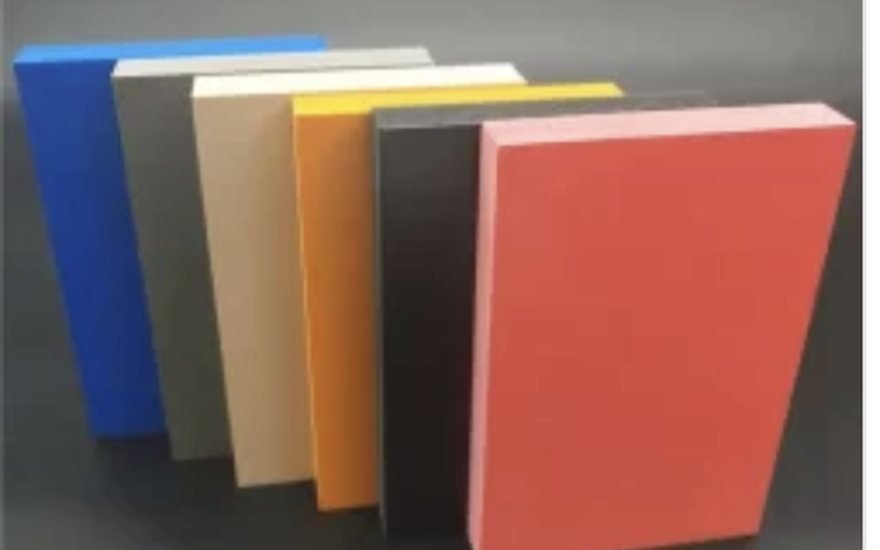
General fabrication and thermoforming sheet across three workhorse polymers.
Next step
Material, grade, thickness, quantity and delivery city is enough to start. If you only have a drawing or an application, send that instead.